Teeth Whitening Strips Explained: Chemistry, Formats & Buyer Basics
Teeth Whitening Strips Explained: Chemistry, Formats, and Essentials for Oral Care Buyers
A teeth whitening strip is a thin, flexible film carrying a whitening gel that is pressed onto the visible surface of the front teeth and worn for a short, repeated treatment. The physical object is simple. The commercial object is not: the active chemistry decides what claims the box can carry, the strip format decides how the product ships and repeats, and the documentation package decides which markets will accept it at all.
This explainer is written for importers, distributors and brand owners who are entering the oral care aisle for the first time and need a working vocabulary before they open a supplier conversation. It sets out the chemistry routes used in modern strips, the three formats available in the Glorysmile strip range, the packaging architecture behind a shelf-ready SKU, and the documentation questions that should be resolved before a purchase order exists.
Problem Definition: Why a Simple-Looking SKU Buys Complicated
The category looks like an easy first import. It is a small, light, high-turn consumer product with obvious demand. What first-time buyers usually discover in the first supplier meeting is that “whitening strip” describes a product family, not a specification, and the differences inside that family change the entire commercial plan.
- The word “whitening” covers three different mechanisms. Oxidation, peroxide-free oxidation, and optical colour correction are not interchangeable, and they do not support the same marketing language or the same regulatory route.
- The format changes the operation, not just the appearance. A dry strip, a pre-wetted strip and a dissolving strip behave differently in the hand, in the pack and in repeat purchase.
- Documentation is decided at formulation stage, not at shipping stage. A formula that suits one market may sit awkwardly in another, and reformulating after packaging artwork is approved is the most expensive way to learn that.
The practical consequence is that a new buyer should sequence decisions in a fixed order: target market first, then formula, then format, then pack architecture. Buyers who start from artwork usually return to the beginning.
The vocabulary you need before the first call
| Term | What it means in a purchase order |
|---|---|
| Teeth whitening strip | A flexible film carrying whitening gel, applied to the front teeth for a timed wear cycle. Pack counts in the Glorysmile range are 7, 14 or 21 strips per bag. |
| Dry strip | A strip supplied with a high-viscosity gel layer rather than a wet gel reservoir. The Glorysmile dry line is described as high-viscosity, residue-free and alcohol-free. |
| Wet strip | A pre-wetted strip format, listed in the range as model GS-V34-S07. |
| Dissolving strip | A strip designed to dissolve during use, listed as model DB-004L. |
| PAP | A peroxide-free whitening active offered as a formulation route for buyers who want to avoid peroxide chemistry. |
| HP / CP | Hydrogen peroxide and carbamide peroxide — the two peroxide actives offered across the range. A 6% HP option is listed for dry strips. |
| V34 / purple | A colour-correction variant. Purple sits directly opposite yellow on the colour wheel, so a water-soluble purple dye is used to cancel yellow undertones. |
Industry Background: How Big, How Regulated, How Classified
Three external facts frame any strip programme, and all three should be on the buyer’s desk before formulation is discussed.
Market size. Grand View Research values the global teeth whitening strips and gels segment at USD 1.1 billion in 2025. That is the narrow product segment, not the whole teeth whitening market, and it is the number that matters when sizing a strip-only launch.
Customs classification. Teeth whitening strips are primarily classified under HS Code 3306.90.00 (preparations for oral or dental hygiene), per a U.S. Customs and Border Protection ruling. Getting the code right at quotation stage avoids duty surprises later.
Regulatory ceiling. EU Regulation (EC) No. 1223/2009 restricts hydrogen peroxide concentration in over-the-counter teeth whitening products to 0.1% or less. In the United States, under MoCRA 2022, manufacturers of whitening strips classified as cosmetics must register facilities at USD 849 per year and list products at USD 200 each. Both facts point the same way: the formula decision is a market-access decision, and the paperwork has a real cost line attached to it.
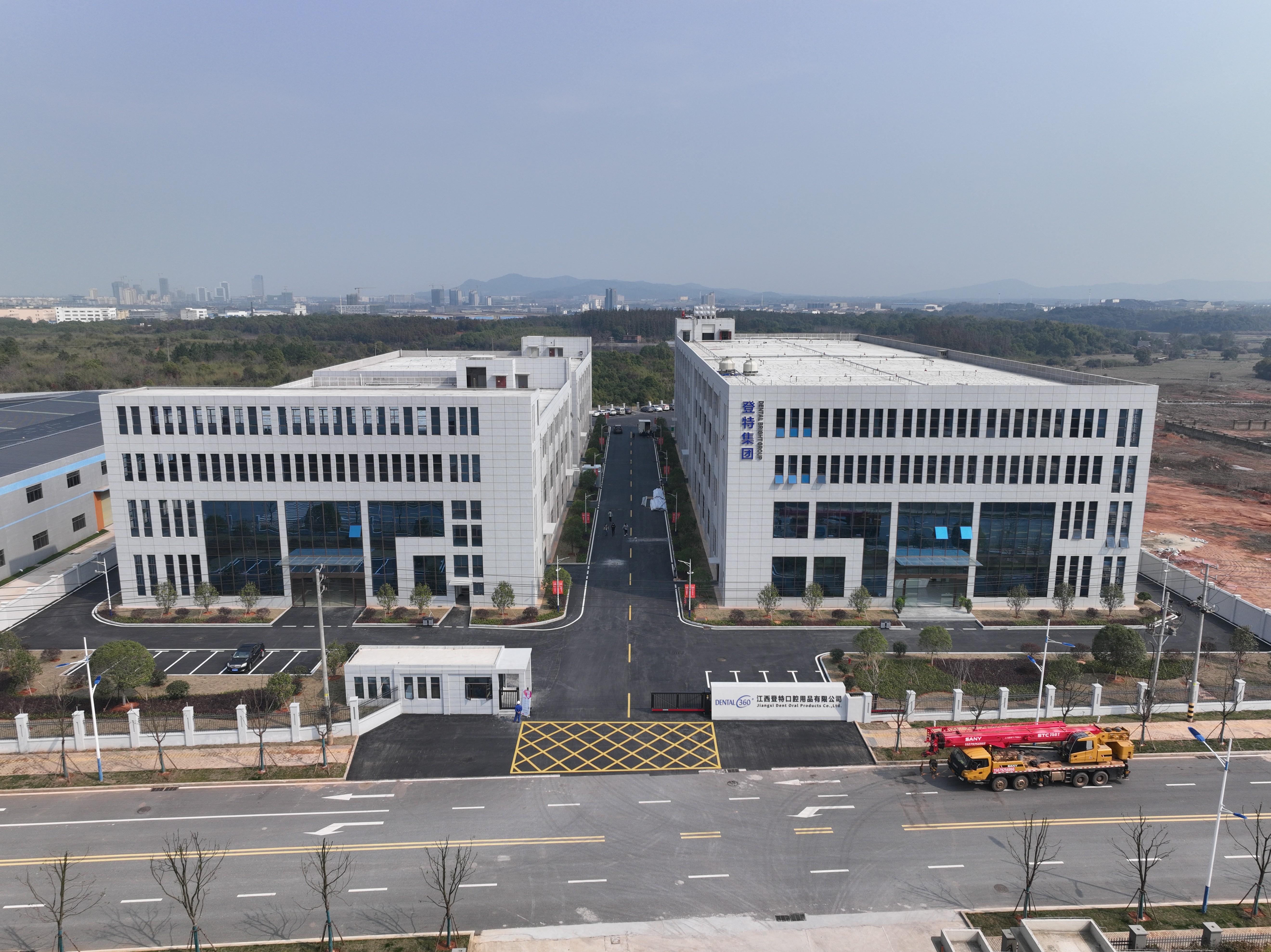
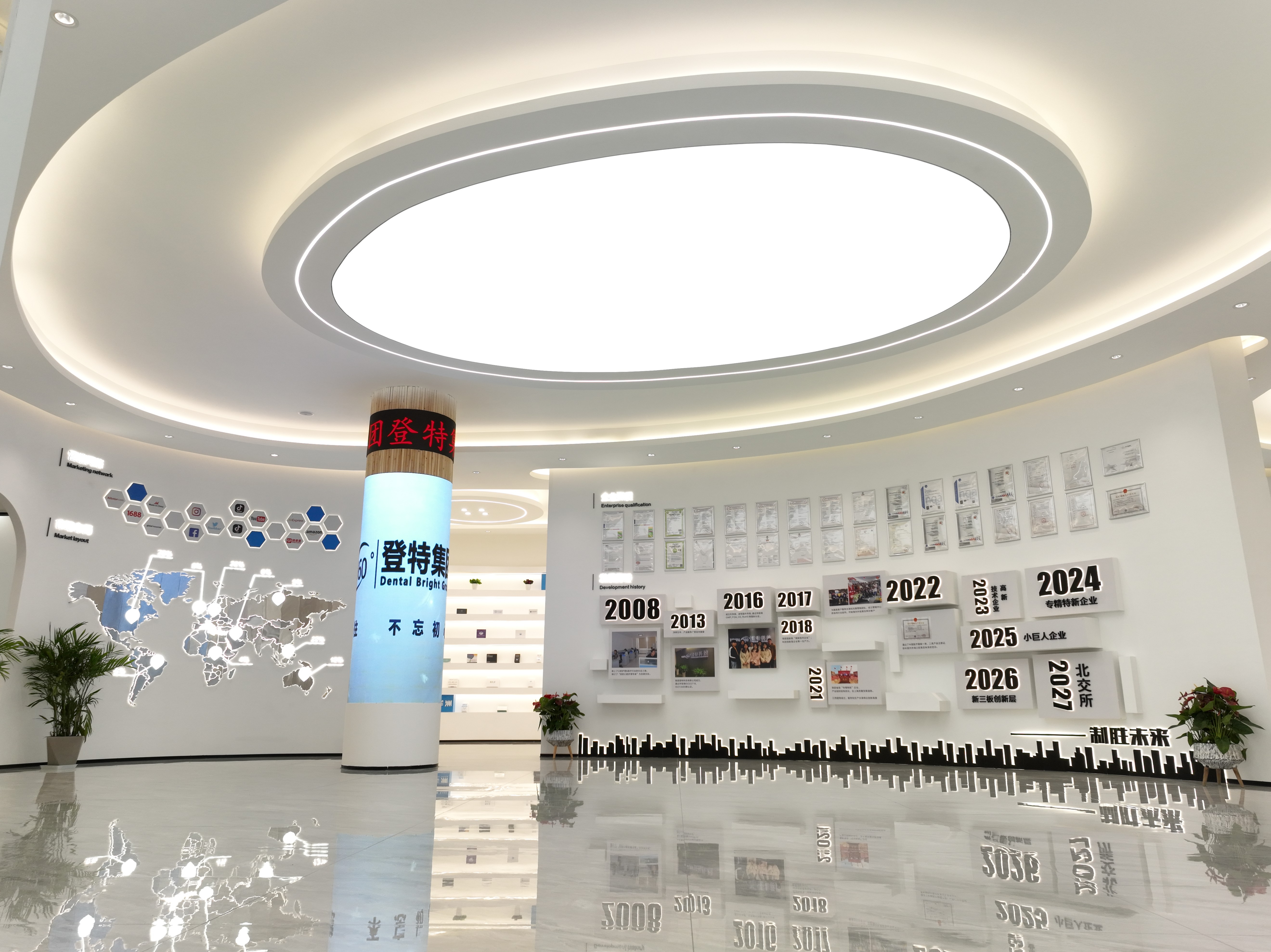
Glorysmile (Jiangxi DentalBright Technology Co.,Ltd.) is an oral care manufacturer established in 2013 and based in Makou Industrial District, Nanchang, Jiangxi Province, China. The company produces teeth whitening strips, whitening kits, whitening pens, whitening powder, toothpaste, mouthwash and electric toothbrushes, reports an export ratio of roughly 90% with the EU, USA and UK as main markets, and ships to 102 countries. Its strip capacity is listed at 300,000,000 pieces per year.
Detailed Solution: The Three Decisions Inside a Strip SKU
1. Chemistry — what is actually doing the work
Strip formulations in the Glorysmile range are built from a formula menu rather than a single fixed recipe. The listed options are PAP, PAP+charcoal, Purple, 6% HP, sodium phytate, sodium bicarbonate, or a custom formulation. Each route has a different buyer logic.
- Peroxide routes (HP, CP). Hydrogen peroxide and carbamide peroxide are the conventional oxidative options. In the strip line, a 6% HP variant is listed as model GS-004H. This is the route that most directly collides with regional concentration rules, so it should be matched to the destination market before anything else is fixed.
- Peroxide-free route (PAP). PAP is listed as the peroxide-free option (model GS-004P) and is also the base of the PAP+charcoal variant (GS-004C). Buyers who need a zero-peroxide positioning usually start here.
- Colour-correction route (Purple / V34). The purple variant (GS-004V) works optically rather than oxidatively: purple is the complementary colour to yellow, so a water-soluble purple dye reduces the appearance of yellow undertones. This is a different claim from stain removal and should be written as a separate message.
- Supporting ingredients. Sodium phytate and sodium bicarbonate appear in the formula menu as declared components and can be specified or replaced through custom formulation.
Flavour is part of the chemistry brief, not an afterthought. The strip range lists twelve flavour options: blue raspberry, strawberry, peach, grape, watermelon, peppermint, orange, mint, pineapple, cherry blossom, coconut and mango — with custom flavours available. Mint and peppermint remain the default for buyers who want the most conventional oral care signal on shelf.
2. Format — dry, wet or dissolving
All three Glorysmile strip formats share the same three-layer construction: a PET hard film, the whitening gel layer, and a PE soft film. They are packed in aluminium bags with a user manual, shade guide and printed colour box, in 7, 14 or 21 strips per bag.
What changes is the user experience and therefore the shelf story. Dry strips rely on a high-viscosity gel and a no-slip dry adhesive technology, worn once per day — a format that suits routine-led messaging. Wet strips present the gel already hydrated, which reads as a more immediate, treatment-like product. Dissolving strips remove the disposal step entirely, which is the format most often chosen when convenience is the lead claim.

3. Pack architecture — where a strip becomes a SKU
A strip programme is not finished when the formula is agreed. The SKU is defined by pack count, flavour, box artwork and the accessories inside the carton. Every strip SKU in the range ships with a shade guide and a user manual, because both support the user’s perception of progress and reduce support queries. Individual wrapping is available and matters most in travel-size and sampler formats.
The commercial terms behind this are straightforward: minimum order quantity is 200 pieces for private label and 1 piece for a regular product, with custom packaging, custom formulation and dealer supply supported. For buyers planning a first container, the practical question is not whether customisation is possible — it is how many variables to customise at once.
Where strips sit next to devices: reading kit specs
Many oral care buyers end up merchandising strips beside a whitening kit, so it helps to read device specifications with the same discipline. In the Glorysmile kit line, model GS-001X carries a 32 LED light, a charging and sterilisation case, a 16-minute treatment timer, a 150mAh battery, a 4-hour charge time and up to 5 uses per full charge; the disinfection cycle runs 3 minutes per cycle and starts automatically when the case is closed. Model DB-001M also uses 32 LEDs with a 16-minute timer but pairs a 450mAh battery, a 2–3 hour charge time and up to 8 uses per charge. Model GS-001J uses 16 LEDs (24 or 32 optional) and is plug-and-play via USB with no built-in battery.
Those numbers matter for a simple reason: a device that needs recharging every few uses creates a different returns profile from a strip that needs nothing. If a kit and a strip are sold together, the weaker spec defines the customer experience.
Step-by-Step Breakdown: A First-Order Sequence
- Fix the destination market. Confirm whether the product will be sold as a cosmetic or a medical device, and check the local peroxide ceiling. This single step determines which formulas remain available.
- Choose the formula route. Select from PAP, PAP+charcoal, Purple, 6% HP or a custom formulation, and confirm the flavour from the twelve-option list or request a custom one.
- Choose the format. Dry, wet or dissolving — decided against the intended shelf claim and the target user’s routine, not against personal preference.
- Set the pack architecture. Pack count (7, 14 or 21), box artwork, shade guide, user manual, and whether individual wrapping is required.
- Assemble the documentation file. Request the certificates and test documents that apply to the chosen formula and market before artwork is finalised.
- Validate with samples, then scale. Test adhesion, wear time and flavour acceptance on sample units, then release production against the approved specification.
Use Cases: Where Each Format Earns Its Place
Coffee and tea drinkers. Exogenous staining from coffee, tea and tobacco is the use case the strip category was built around, and it is the wording most consumers search for. A daily-wear dry strip fits this buyer because the routine is already habitual.
Smokers. The same exogenous stain logic applies, but expectations are usually higher and patience lower. A higher-concentration option, matched to local regulation, is often the better fit — provided the documentation supports the claim.
Sensitive teeth. PAP and low-sensitivity formulas are offered specifically for this group. Buyers targeting sensitive users should treat the peroxide-free route as the default starting point rather than an upgrade.
Travel and sampling. A 7-strip pack with individual wrapping is the natural travel and trial format, and it is also the cheapest way for a new brand to test consumer response before committing to a 21-count box.
Clinics, salons and e-commerce private label. Dental clinics and beauty salons have used this product category in professional settings, and e-commerce sellers have used it to launch private label brands. Both channels need the same thing: a documented formula, a stable pack, and a shade guide in the box.
Comparison Table: Dry vs Wet vs Dissolving Strips
| Attribute | Dry strips | Wet strips | Dissolving strips |
|---|---|---|---|
| Model series | GS-004H / GS-004V / GS-004C / GS-004P | GS-V34-S07 | DB-004L |
| Format character | High-viscosity, residue-free, alcohol-free dry film with no-slip adhesive technology | Pre-wetted strip | Strip designed to dissolve during use |
| Formula options | PAP, PAP+charcoal, Purple, 6% HP, sodium phytate, sodium bicarbonate, custom | PAP, PAP+charcoal, Purple, 6% HP, sodium phytate, sodium bicarbonate, custom | PAP, PAP+charcoal, Purple, 6% HP, sodium phytate, sodium bicarbonate, custom |
| Strip construction | PET hard film / whitening gel / PE soft film | PET hard film / whitening gel / PE soft film | PET hard film / whitening gel / PE soft film |
| Pack counts | 7 / 14 / 21 strips per bag | 7 / 14 / 21 strips per bag | 7 / 14 / 21 strips per bag |
| In-box contents | Aluminium bag, user manual, shade guide, colour box | Aluminium bag, user manual, shade guide, colour box | Aluminium bag, user manual, shade guide, colour box |
| Flavours | 12 listed options plus custom | 12 listed options plus custom | 12 listed options plus custom |
| MOQ | 200 pcs private label / 1 pc regular | 200 pcs private label / 1 pc regular | 200 pcs private label / 1 pc regular |
| Typical buyer fit | Routine-led daily whitening positioning | Treatment-led, immediate-use positioning | Convenience-led, no-disposal positioning |
| Code | Formula option | Declared positioning |
|---|---|---|
| GS-004H | 6% HP | Peroxide-based whitening |
| GS-004P | PAP | Peroxide-free whitening |
| GS-004C | PAP + charcoal | Peroxide-free with activated charcoal |
| GS-004V | Purple (V34) | Optical colour correction of yellow undertones |
Frequently Asked Questions
Which documents should a teeth whitening strips manufacturer provide for EU and US entry?
For the EU, Glorysmile can provide CPSR, CPNP and PIF for cosmetic products, and CE-MDR registration has been completed for medical device routes. For the US, the products are FDA approved, with the FDA-certified scope covering medical devices, cosmetics and OTC drugs. The full factory certificate set includes CE, FDA, CPSR, CPNP, PIF, SCPN, MSDS, COA, RoHS, HALAL and Vegan; product certificates include GMP, ISO 22716, ISO 13485, MDSAP and BSCI. Buyers should still confirm which documents apply to their specific formula and classification.
Which strip formats and whitening formulas can be produced for a private label?
Three formats are available: dry strips (GS-004H/V/C/P), wet strips (GS-V34-S07) and dissolving strips (DB-004L). Formula options are PAP, PAP+charcoal, Purple, 6% HP, sodium phytate, sodium bicarbonate or a custom formulation, in twelve listed flavours or a custom flavour. All formats use the same PET film / whitening gel / PE soft film construction and ship in 7, 14 or 21 strip bags with a shade guide and user manual. OEM, ODM and dealer supply are supported, backed by an annual strip capacity of 300,000,000 pieces.
What is the minimum order quantity for private-label strips?
The MOQ is 200 pieces for private label and 1 piece for a regular product. On a first order, the variables that change the scope are pack count (7, 14 or 21), format, flavour, and how much of the packaging is customised — box artwork, individual wrapping, and whether a custom formula is specified. Reducing flavour and pack-count proliferation is the fastest way to keep a first order simple.
Can I evaluate samples before committing to production?
Yes. Free sampling and professional package design are part of the OEM/ODM service, alongside formulation and customisation support. Sample evaluation should test the variables that decide repeat purchase: adhesion during the wear cycle, residue after removal, flavour acceptance, and whether the shade guide in the box supports the claim you intend to make.
How do I start a private-label strip project?
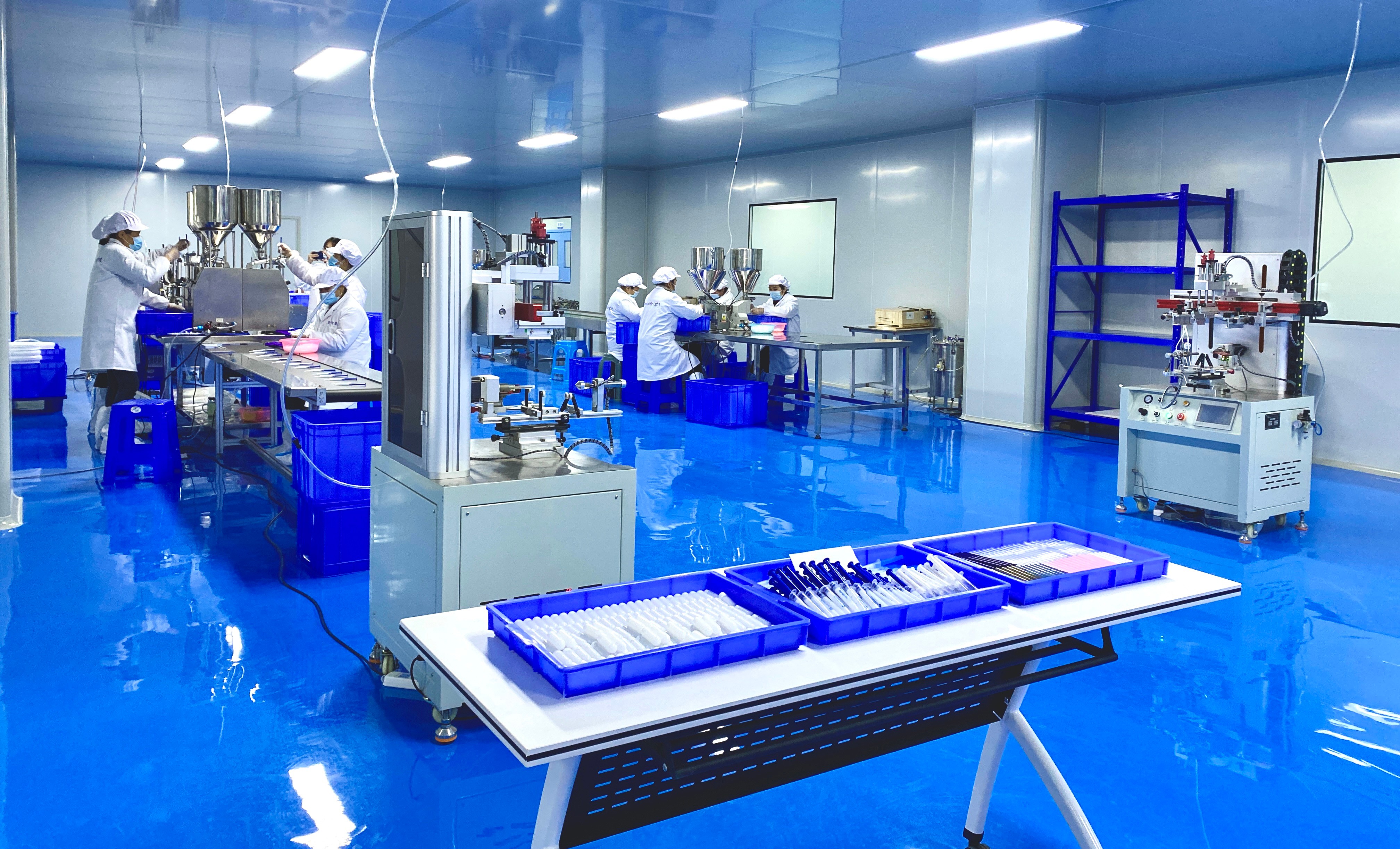
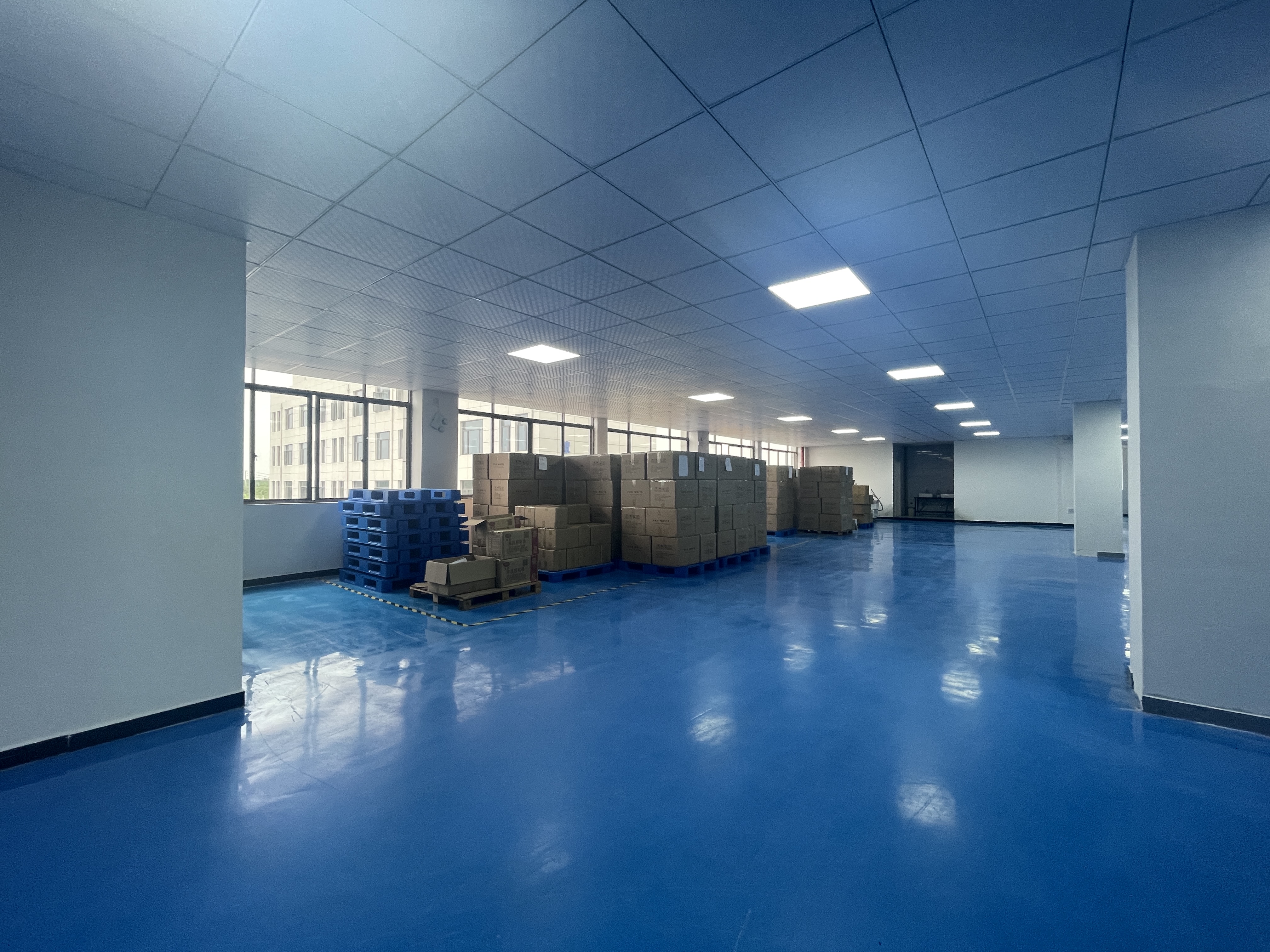
Send the target market, preferred formula route, format, pack count and packaging direction, and the team will respond with a matched configuration. Glorysmile positions itself as a source factory with short lead times and flexible customisation; the 36,000 m² facility, 20,000 m² of 100,000-class cleanrooms and in-house 1,000 m² laboratory support that claim. Contact Tasha at tasha@enjoywhite.com or +86 177 7911 0152 (WhatsApp available on the same number) to request samples or a quotation.
Conclusion: Decide the Market, Then the Formula, Then the Format
Teeth whitening strips reward buyers who work in the right order. The regulatory ceiling decides which chemistries are usable; the chemistry decides which claims are available; the format decides how the product feels in the hand and how it repeats; and the pack architecture decides what the SKU actually is. Buyers who reverse that sequence usually end up reprinting artwork.
For a first entry into the aisle, the lowest-risk configuration is a documented peroxide-free or low-concentration formula, a 7- or 14-count pack in the format that matches the intended claim, and a documentation file assembled before the box is signed off. Everything above that — flavour range, custom formula, device bundling — is scaling, and scaling is easier once the base SKU has survived one market.
Next Step: Sample, Specification, Quotation
Glorysmile supplies teeth whitening strips in dry, wet and dissolving formats with PAP, PAP+charcoal, Purple and 6% HP formulation options, at an MOQ of 200 pieces for private label. Request a sample set, a specification sheet for your target market, or the full product catalogue.
Email:tasha@enjoywhite.com | Tel / WhatsApp:+86 177 7911 0152
Website:www.glorysmile.com | Catalogue:Download the Glorysmile product catalogue (PDF)
Jiangxi DentalBright Technology Co.,Ltd. (Glorysmile Factory), Makou Industrial District, Yongxiu Town, Nanchang (Jiujiang) City, Jiangxi Province, China.
Have Questions or Need More Details?
Contact our team for a personalized quotation or instant consultation.
Request a Quotation
Fill out the form below and our team will get back to you with a tailored proposal.
WhatsApp Direct Chat
Prefer to chat in real-time? Message us on WhatsApp for instant assistance & quick answers.
- Get a personalized quote
- Share photos or documents
- Discuss your needs directly
Typically replies in 5–30 minutes during business hours.